



Shopping for a Compact SUV? Why the 2026 Mazda CX-5 vs. Audi Q5 Decision Matters
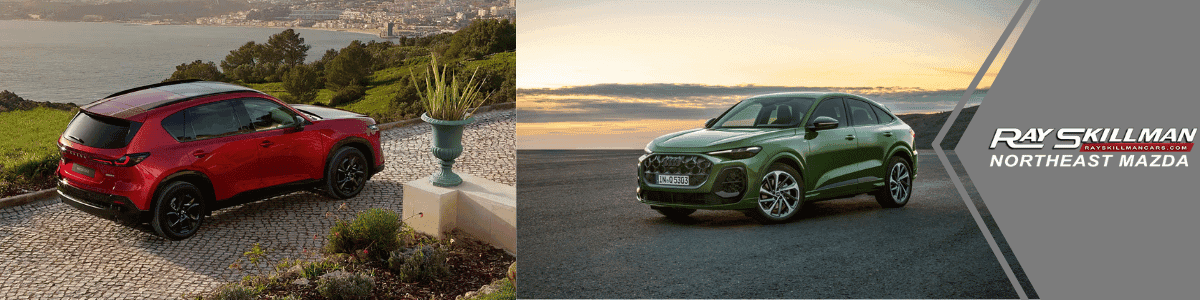
Picking between a Mazda CX-5 and an Audi Q5 isn’t as simple as choosing between brands. These two compact SUVs take different approaches to what buyers actually want. The CX-5 focuses on practicality and driving fun without breaking the bank. The Q5 leans into luxury tech and upscale materials, but you’ll pay significantly more for those extras. Both deliver reliable AWD performance and modern safety tech, but they’re built for different priorities and budgets. If you’re weighing your options in this competitive segment, understanding where each SUV wins can save you from buyer’s remorse.
- The 2026 Mazda CX-5 starts around $31,000 with a completely redesigned interior and 4.5 more inches of wheelbase, while the Audi Q5 begins at $53,495 with a more powerful turbocharged engine and premium cabin materials.
- Mazda’s CX-5 delivers 187 horsepower from a naturally aspirated 2.5-liter engine paired with a traditional six-speed automatic, whereas the Q5’s 2.0-liter turbo pushes 268 horses through a quicker seven-speed dual-clutch transmission.
- Interior tech differs sharply between these models, with the CX-5 featuring a massive 15.6-inch touchscreen with Google built-in and the Q5 offering a 14.5-inch display plus an optional 10.9-inch passenger screen and head-up display on higher trims.
Price and Value Tell Different Stories
Money talks when you’re shopping for an SUV. Comparing the 2026 Mazda CX-5 vs. Audi Q5 starts with a price gap you can’t ignore. Mazda’s entry point sits roughly $22,000 below the Audi’s base model. That’s not pocket change. You could use that difference for a down payment on a second car or save it for years of gas and insurance.
What do you get for that extra money with the Q5? German engineering, a more powerful engine, and materials that feel noticeably richer when you slide into the driver’s seat. The Audi’s cabin uses premium leather, metal accents, and soft-touch surfaces throughout. Mazda counters with Japanese craftsmanship that feels refined without screaming luxury. The CX-5’s materials won’t match Audi’s top-shelf finishes, but they’re well put together and built to last.
Both SUVs come standard with all-wheel drive, which matters if you live anywhere with real winters or unpaved roads. The Mazda includes this as part of its base package, while Audi does the same. Neither brand charges extra for what should be standard in this segment.
Power and Performance Under the Hood
The Q5 wins on raw power without question. Its turbocharged 2.0-liter four-cylinder makes 268 horsepower and 295 lb-ft of torque. That’s enough to hit 60 mph in about 5.8 seconds. The seven-speed dual-clutch transmission shifts faster than you can blink, giving you confidence when passing slower traffic or merging onto highways.
Mazda takes a different route with the CX-5’s naturally aspirated 2.5-liter engine. You get 187 horsepower and 185 lb-ft of torque through a six-speed automatic. It’s not slow, but it’s not quick either. Expect 0-60 times closer to 8 seconds. Where the Mazda shines is in how the drivetrain feels. That naturally aspirated engine responds predictably without turbo lag. The six-speed automatic might not shift as fast as Audi’s dual-clutch, but it works well and doesn’t hunt between gears.
Fuel economy matters too. Current CX-5 models get around 24 city and 30 highway mpg, and the 2026 version should match those numbers. Audi’s Q5 manages 22 city and 30 highway. Not a huge difference, but Mazda edges ahead slightly while costing less at the pump overall.
Technology and Screen Overload
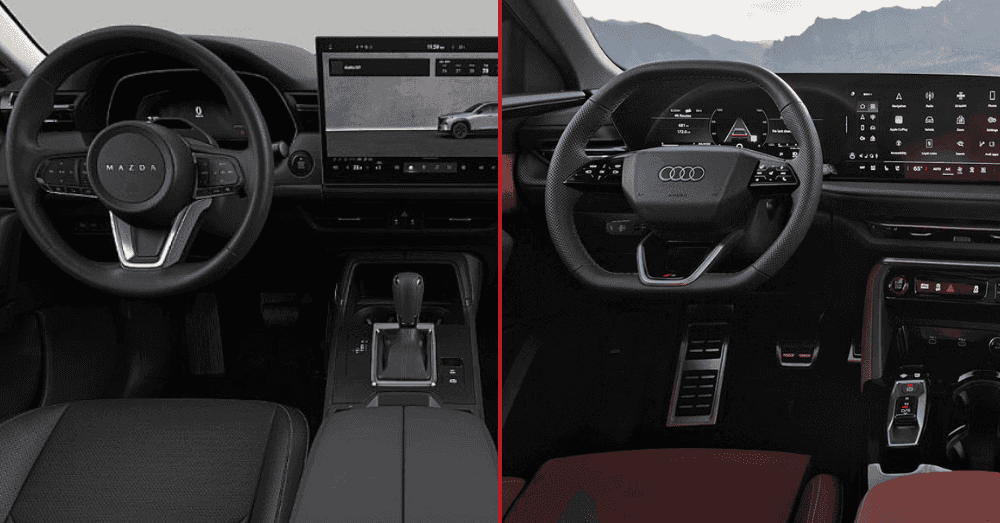
Both SUVs come loaded with tech, but they approach it differently. The 2026 CX-5’s 15.6-inch touchscreen dominates the dashboard. It’s the largest display Mazda’s ever installed. Google integration means you get native Maps, Assistant, and Play Store access without fumbling with your phone. Apple CarPlay and Android Auto still work if you prefer those.
Audi’s Q5 can overwhelm you with screens if you tick the right options. The base 14.5-inch center display pairs with an 11.9-inch digital instrument cluster. Add the Prestige trim and you get a 10.9-inch passenger display plus an augmented reality head-up display. That’s four screens fighting for your attention while you’re trying to drive.
One notable difference between the 2026 Mazda CX-5 vs. Audi Q5 involves physical controls. Mazda ditched its old rotary dial controller for 2026, going all-in on touchscreen inputs. Audi moved most climate controls to the screen too, which annoys drivers who prefer physical buttons. Neither approach is perfect, but both force you to look at screens more than you might like.
Space, Comfort, and Daily Driving
Mazda stretched the CX-5’s wheelbase by 4.5 inches for 2026. That translates to noticeably more rear legroom and a cargo area that’s almost two inches longer with over an inch of extra height. Families with car seats or tall passengers will appreciate the added space. A lower liftover height makes loading groceries easier without throwing out your back.
Audi’s Q5 offers competitive space with 40.9 inches of front legroom and 38 inches in back. Cargo capacity gives you 27.6 cubic feet behind the second row or 56.9 with seats folded. Mazda’s exact cargo numbers aren’t finalized yet for the CX-5, but the company promises class-leading rear seat room.
Ride quality differs between these two. On Prestige and SQ5 trims, the Q5 gets adaptive air suspension that adjusts on the fly. Lower trims use passive dampers with selectable firmness through Audi’s drive mode selector. Mazda’s CX-5 sticks with a well-tuned conventional suspension that leans sportier than most competitors without beating you up on rough pavement.
Safety Features You’ll Actually Use
Both SUVs earned strong safety ratings historically and come loaded with driver assistance tech. Mazda’s CX-5 maintains its IIHS Top Safety Pick+ status with automatic emergency braking, lane departure warning, blind spot monitoring, and adaptive cruise control as expected features. The company promises new Advanced Driver Assistance System features for 2026 but hasn’t detailed them yet.
Audi bundles similar tech including pedestrian detection, traffic sign recognition, lane keep assist, and intersection assist. Its systems tend to intervene more noticeably than Mazda’s, which some drivers prefer and others find intrusive.
Which SUV Actually Fits Your Life?
Mazda’s CX-5 makes sense if you want a reliable, fun-to-drive SUV that won’t drain your bank account. It’s perfect for families who need space and features without paying luxury prices. You get standard AWD, modern tech, improved cargo room, and Mazda’s reputation for building cars that last. An upcoming 2027 hybrid version will add efficiency for buyers willing to wait.
Go with the Q5 if you value premium materials, more power, and don’t mind paying for those upgrades. Audi’s SUV feels more expensive because it is. You’re buying into a brand known for quality interiors and strong resale value in the luxury segment. Its turbocharged engine delivers real performance, and that dual-clutch transmission shifts better than most competitors.
Neither choice is wrong. Mazda’s CX-5 gives you more value per dollar spent. Audi’s Q5 delivers more luxury and power per dollar spent. Your budget and priorities will make this decision for you. Test drive both and see which one feels right behind the wheel. Specs on paper only tell part of the story.
Visit Ray Skillman Northeast Mazda for Expert Guidance
If you’re in the Indianapolis area and leaning toward the Mazda side of this comparison, Ray Skillman Northeast Mazda can help. We stock the full Mazda lineup and can walk you through how the redesigned 2026 CX-5 stacks up against luxury competitors. Our sales team understands that comparing vehicles like the CX-5 to premium brands isn’t about finding the “best” SUV. It’s about finding the right one for how you actually live and drive.
Our service department knows Mazda vehicles inside and out, which matters when you’re thinking long-term ownership. CX-5s hold their value well compared to mass-market competitors, though not quite as well as German luxury brands. But the gap narrows considerably when you factor in lower initial cost and cheaper maintenance over time. Our finance team can show you real numbers on total cost of ownership, not just monthly payments.
What sets the CX-5 apart in this comparison comes down to practicality. That extra rear legroom in the 2026 model matters if you’ve got kids in car seats or teenagers with long legs. A larger cargo area handles weekend trips and grocery runs without playing Tetris with your bags. And while the Q5’s adaptive air suspension is nice, the CX-5’s conventional setup delivers confident handling without the complexity or repair costs of air springs down the road. Stop by Ray Skillman Northeast Mazda to see how the new CX-5 measures up in person and get answers to questions that go beyond spec sheets.
0 comment(s) so far on Shopping for a Compact SUV? Why the 2026 Mazda CX-5 vs. Audi Q5 Decision Matters